
Schumacher 100A Battery Charger Manual: A Comprehensive Guide
This manual provides detailed instructions for the Schumacher SC1341, a 4-in-1 charger and starter, ensuring optimal 12V battery performance and longevity․
The Schumacher 100A Battery Charger, specifically models like the SC1341, represents a versatile solution for maintaining and restoring 12-volt lead-acid batteries found in a wide range of vehicles․ This comprehensive charger isn’t just for topping off batteries; it’s engineered with multiple functions, including a robust 100A engine start capability․
Designed for compatibility with car, truck, and marine batteries, the Schumacher 100A charger offers both convenience and power․ Its digital display provides crucial information regarding charge levels and battery status, while selectable charge rates – including a 30A boost and the powerful 100A start – cater to diverse needs․ Understanding its features and adhering to safety precautions, detailed within this manual, will ensure effective and safe operation․ This guide aims to empower users with the knowledge to maximize battery life and performance․
Understanding Battery Charger Features
The Schumacher 100A charger boasts several key features designed for efficient battery maintenance․ A prominent digital display continuously monitors and communicates vital information, including charge level, voltage, and potential diagnostic messages, providing real-time feedback; The rate selection button allows users to choose between charging amperage options – a 30A boost for quicker charging and a powerful 100A engine start for jumpstarting vehicles․
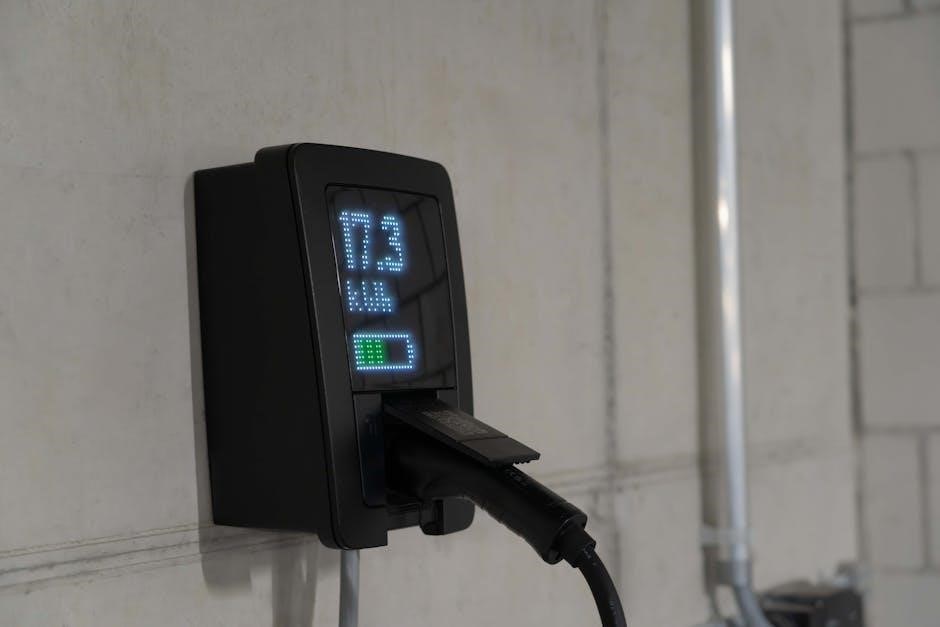
Beyond these core functions, the charger incorporates advanced circuitry to extend lead-acid battery life and ensure accurate charging․ Its self-contained controller manages the 100A load effectively․ Understanding these features, and how to utilize them correctly, is crucial for maximizing the charger’s benefits and ensuring optimal battery health․ Proper feature utilization translates to reliable performance and extended battery lifespan․
Safety Precautions
Prioritize safety when operating the Schumacher 100A charger․ Always wear eye protection – safety glasses or a face shield – to prevent battery acid contact․ Ensure adequate ventilation during charging, as batteries release explosive hydrogen gas․ Never charge a damaged battery; inspect for cracks or leaks before connecting the charger․
Avoid smoking or creating sparks near the battery․ Disconnect the charger before removing the clamps from the battery terminals․ Do not attempt to charge frozen batteries․ Keep the charger dry and away from flammable materials․ Improper use can result in fire, explosion, or personal injury․ Refer to the complete manual for detailed safety guidelines and heed all warnings to ensure a safe charging experience․
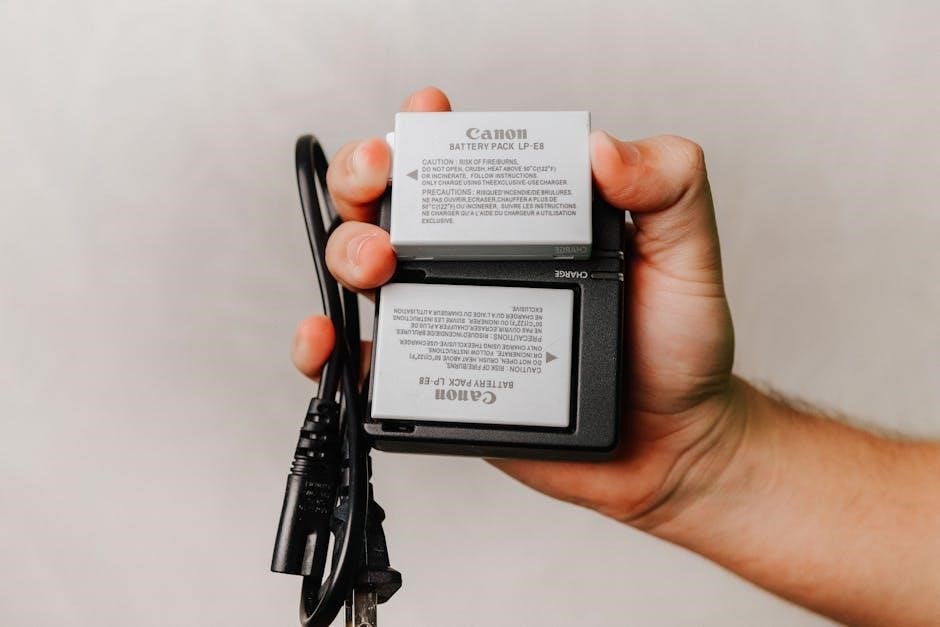
Charger Components & Controls
The charger features a digital display, rate selection button, and charging amperage options like 30A boost and 100A engine start for versatile operation․
Digital Display Overview

The digital display is a crucial component of the Schumacher 100A charger, providing essential information to the user throughout the charging process․ It clearly shows the current charge level of the battery, allowing for easy monitoring of progress․ Furthermore, the display accurately indicates the battery voltage, which is vital for assessing its overall health and identifying potential issues․
Beyond basic charging information, the digital display also presents diagnostic messages․ These messages alert the user to any errors or problems that may occur during operation, such as reversed polarity or a faulty battery․ Understanding these messages is key to troubleshooting and ensuring safe and effective charging․ The display’s clear and concise presentation of data makes it user-friendly, even for those unfamiliar with battery charging technology․ It’s a central hub for understanding the charger’s status and the battery’s condition․
Rate Selection Button Functionality
The Rate Selection Button is central to controlling the charging amperage of the Schumacher 100A charger․ This button allows users to choose between two primary charging rates: 30A Boost and 100A Engine Start․ The 30A Boost setting is ideal for quickly replenishing a significantly discharged battery, providing a faster initial charge․ However, it’s crucial to monitor the battery during boost charging to prevent overheating․
Conversely, the 100A Engine Start setting delivers a powerful surge of current specifically designed for starting engines․ This setting should only be used for brief periods, as prolonged use at this amperage can damage the battery․ Selecting the appropriate rate depends on the battery’s condition and the intended use․ Proper rate selection ensures efficient charging and maximizes battery lifespan, while avoiding potential damage․
Charging Amperage Options (30A Boost, 100A Engine Start)
The Schumacher 100A charger offers two distinct amperage options to cater to various battery charging needs: a 30A Boost mode and a 100A Engine Start mode․ The 30A setting is designed for faster recovery of deeply discharged batteries, delivering a substantial current to initiate the charging process․ It’s recommended for batteries that have been drained but aren’t completely depleted, requiring a quicker recharge․
The 100A Engine Start mode provides a high-current surge specifically intended for assisting in starting vehicles with weak batteries․ This setting delivers a powerful boost, but should only be used for short durations – typically just long enough to start the engine – as prolonged use at this amperage can lead to battery overheating and potential damage․ Careful consideration of the battery’s state is vital when selecting the appropriate amperage․
Battery Types & Compatibility
This charger is primarily designed for charging 12V lead-acid batteries found in cars, trucks, and marine vessels, ensuring reliable power restoration․
Lead-Acid Battery Charging
Lead-acid batteries, commonly used in vehicles and marine applications, require specific charging procedures for optimal performance and longevity․ The Schumacher 100A charger is specifically engineered to effectively restore and maintain these battery types․ Proper charging involves selecting the appropriate amperage – utilizing the 30A boost for quicker recovery or the 100A engine start for immediate power needs․
It’s crucial to ensure a clean connection to the battery terminals before initiating the charging process․ The charger’s circuitry is designed to extend lead-acid battery life by providing a controlled and accurate charging cycle․ This prevents overcharging, a common cause of battery damage․ Regularly monitoring the charging process, as detailed in the operating instructions, will help maximize battery health and ensure reliable performance․
Remember to always refer to the battery manufacturer’s recommendations for specific charging guidelines․
12V Car Battery Charging
Charging a 12V car battery with the Schumacher 100A charger is a straightforward process․ First, ensure the vehicle is turned off and the parking brake is engaged․ Connect the red clamp to the positive (+) terminal and the black clamp to the negative (-) terminal of the battery․ For a deeply discharged battery, begin with the 30A boost setting to provide a faster initial charge․
Once the battery has accepted some charge, you can switch to a lower amperage setting for a more complete and gentle charge․ Monitor the digital display to observe the charging progress and voltage levels․ Avoid overcharging, as this can damage the battery․ The charger’s intelligent circuitry prevents this, but regular checks are recommended․
Always disconnect the charger in reverse order – black clamp first, then red – after the charging cycle is complete․
12V Truck Battery Charging
Charging 12V truck batteries with the Schumacher 100A charger requires similar procedures to car batteries, but often benefits from the higher amperage capabilities․ Due to the larger capacity of truck batteries, utilizing the 100A engine start setting briefly can help initiate charging, especially for severely depleted batteries․ However, transition to a lower amperage setting promptly to avoid overheating․
Ensure proper ventilation around the battery during charging, as truck batteries can release gases․ Regularly inspect the battery terminals for corrosion and clean them before connecting the charger․ The digital display provides crucial information regarding voltage and charge status, allowing for precise monitoring․
Remember to disconnect the charger clamps in reverse order after charging – black first, then red – to prevent accidental shorts․
12V Marine Battery Charging

Charging 12V marine batteries with the Schumacher 100A charger demands extra caution due to the marine environment․ Always ensure the charging area is well-ventilated, as marine batteries can produce flammable gases․ Inspect battery terminals for corrosion, common in saltwater environments, and clean them thoroughly before connecting the charger․

Utilize the appropriate charging rate based on the battery’s state of discharge․ A lower amperage setting is generally recommended for maintaining a fully charged battery, while the 30A boost or 100A engine start can be used cautiously for deeply discharged batteries․ Monitor the digital display closely to prevent overcharging․

Adhere strictly to safety precautions, and always disconnect the charger clamps in the correct order – black first, then red – after charging is complete․
Operating Instructions
To begin, securely connect the charger clamps to the battery terminals, selecting the correct amperage rate, and then carefully monitor the charging process․
Connecting the Charger to the Battery
Before connecting, ensure the charger is switched off․ Identify the positive (+) and negative (-) terminals on the battery․ Attach the red clamp to the positive terminal and the black clamp to the negative terminal, ensuring a firm and secure connection․
Double-check polarity – reversing connections can cause damage․ For in-vehicle charging, disconnect the negative terminal first, then the positive․ When reconnecting, reverse this order․
Confirm the clamps are making good metal-to-metal contact, free from corrosion or debris․ If corrosion is present, clean the terminals before attaching the clamps․ A secure connection is vital for efficient and safe charging․ Avoid any loose connections during the entire charging cycle․
Selecting the Appropriate Charging Rate
Utilize the Rate Selection Button to choose the correct amperage․ For deeply discharged batteries, begin with the 30A Boost setting to provide a quicker initial charge․ Monitor the battery’s voltage; once it begins to recover, reduce the rate․
The 100A Engine Start is specifically for jump-starting vehicles and should only be used for a brief period – just long enough to start the engine; Prolonged use at this rate can overheat the charger and damage the battery․
Consider battery size; smaller batteries require lower rates, while larger batteries can handle higher amperage․ Always refer to the battery manufacturer’s recommendations for optimal charging rates․ Incorrect rate selection can lead to reduced battery life or even failure․
Monitoring the Charging Process
Regularly observe the digital display for crucial information․ It shows the charge level, voltage, and any diagnostic messages indicating potential issues․ A rising voltage signifies charging progress, while a stable voltage suggests the battery is nearing full capacity․
Avoid overcharging, as it can damage the battery․ Once the battery reaches its full charge voltage (typically around 14․4V for a 12V battery), the charger should automatically switch to a maintenance or float mode․
Periodically check the battery terminals for overheating or corrosion during the charging cycle․ Disconnect the charger immediately if any abnormalities are detected․ Consistent monitoring ensures safe and effective battery charging․
Troubleshooting Common Issues
If problems arise, check power connections, charging rates, and error messages on the digital display to diagnose and resolve issues efficiently․
Charger Not Powering On
If the Schumacher charger fails to power on, begin by verifying the AC power source․ Ensure the power cord is securely plugged into a functioning outlet and that the outlet itself is receiving power – test with another device․ Next, inspect the charger’s power cord for any visible damage, such as cuts or fraying, which could indicate a fault․
Check the internal fuse within the charger; a blown fuse is a common cause of power failure․ Refer to the charger’s specifications section for the fuse location and replacement type․ If the fuse is intact, and the power source is confirmed, there might be an internal component failure requiring professional service․ Do not attempt to disassemble the charger yourself, as this could void the warranty and pose a safety risk․
Finally, confirm that any extension cords used are appropriately rated for the charger’s power requirements․
Battery Not Charging
If the battery isn’t charging, first double-check the connection between the charger clamps and the battery terminals; Ensure a clean, secure connection – corrosion or looseness can prevent proper charging․ Verify correct polarity; red clamp to positive (+), black clamp to negative (-)․ Confirm the selected charging rate is appropriate for the battery’s state of discharge and type․
A deeply discharged battery may initially show no charging indication; allow the charger to run for a longer period, especially on the ‘Boost’ setting (30A), to initiate the charging process․ If the battery continues to not charge, test the battery with a battery load tester (like the Schumacher BT-100) to assess its condition – it may be sulfated or otherwise damaged and unable to hold a charge․
Inspect the battery for physical damage, such as cracks or leaks․
Error Messages on the Digital Display
The digital display provides diagnostic information․ If an error message appears, consult this guide for clarification․ Common messages indicate reversed polarity – immediately disconnect and reconnect the clamps with correct polarity (red to positive, black to negative)․ Another message might signal overvoltage or undervoltage, suggesting a problem with the power supply or the battery itself․
A “bad battery” message indicates the battery may be sulfated, internally shorted, or otherwise unable to accept a charge․ Testing with a battery load tester is recommended․ If the display shows a “temperature” error, the charger may be overheating; allow it to cool down before resuming operation․
Refer to the full manual for a complete list of error codes and their corresponding solutions․
Maintenance & Care
Regular cleaning and proper storage will extend the charger’s life․ Keeping the clamps clean and ensuring adequate ventilation are crucial for optimal performance․
Cleaning the Charger
To ensure the longevity and efficient operation of your Schumacher 100A battery charger, regular cleaning is essential․ Before any cleaning procedure, always disconnect the charger from the power outlet․ Allow the unit to cool completely․ Use a damp cloth – do not use solvents or abrasive cleaners – to wipe down the exterior casing, removing any dust, dirt, or grime that may have accumulated․
Pay particular attention to the battery clamps, as they can accumulate corrosion from battery acid․ Clean the clamps with a wire brush or a specialized battery terminal cleaner to remove any buildup․ Inspect the cables for any signs of damage, such as cracks or fraying, and replace them if necessary․ Never immerse the charger in water or any other liquid․ After cleaning, ensure the charger is completely dry before reconnecting it to a power source․
Consistent cleaning will help maintain optimal performance and prevent potential issues․
Storing the Charger
Proper storage is crucial for maintaining the Schumacher 100A battery charger’s functionality and extending its lifespan․ Before storing, always ensure the charger is completely clean and dry, following the cleaning instructions outlined previously․ Disconnect the charger from the power outlet and coil the cables neatly to prevent damage or tangling․
Store the charger in a cool, dry environment, away from direct sunlight, extreme temperatures, and moisture․ An indoor location, such as a garage or basement, is ideal․ Avoid storing the charger in areas where it could be exposed to dust, dirt, or corrosive fumes․ Do not place heavy objects on top of the charger, as this could cause damage to the casing or internal components․
Regularly inspect the stored charger for any signs of deterioration․
Extending Battery Life
Maximizing your battery’s lifespan requires consistent maintenance and proper charging practices․ Avoid deep discharging your battery whenever possible, as this significantly reduces its overall life․ Utilize the Schumacher 100A charger’s maintenance mode for long-term storage, which provides a low, continuous charge to counteract self-discharge․
Regularly check the electrolyte levels in lead-acid batteries (if applicable) and top them off with distilled water as needed․ Ensure battery terminals are clean and free of corrosion, as corrosion hinders charging efficiency․ Avoid overcharging, which can damage the battery plates․
The charger extends lead-acid-battery life through accurate multiplication and a self-contained controller․ Following these guidelines will help you maintain optimal battery health and performance for years to come․
Specifications
The charger requires standard voltage and delivers a charging current range suitable for various vehicle types, with a compact item size and manageable weight․
Voltage Requirements
This Schumacher 100A battery charger is specifically designed for use with 12-volt battery systems commonly found in automobiles, trucks, marine vessels, and other similar applications․ It is crucial to verify that your battery system operates at 12 volts before connecting the charger to prevent potential damage․
The charger is engineered to function optimally within a standard North American 120V AC power outlet․ Attempting to operate the device with a different voltage may result in malfunction, damage to the charger, or even pose a safety hazard․ Always ensure the power source matches the specified voltage requirement․ Using an incorrect voltage voids the warranty and compromises the charger’s performance․
Furthermore, it’s important to note that the charger automatically detects and adjusts to minor voltage fluctuations within the 120V AC range, providing a stable and consistent charging process․
Charging Current Range
The Schumacher 100A charger offers a versatile charging current range to accommodate various battery sizes and charging needs․ It features two primary charging rates: a 30-amp boost setting and a 100-amp engine start setting․ The 30-amp rate is ideal for slower, more thorough charging of deeply discharged batteries, extending their lifespan․
The 100-amp setting provides a rapid charge, suitable for quickly restoring a battery’s charge level, but should be used cautiously to avoid overheating․ This higher amperage is also utilized for the engine start function, delivering a powerful surge to jump-start vehicles․

The charger intelligently regulates the current output, preventing overcharging and ensuring optimal battery health․ Always select the appropriate charging rate based on the battery’s size and state of discharge for safe and effective charging․
Item Size & Weight
Understanding the physical dimensions and weight of the Schumacher 100A battery charger is crucial for storage and portability․ While specific dimensions can vary slightly depending on the model (like the SC1341), the charger is generally designed to be compact and manageable for home or automotive use․
According to available data, the item size is approximately 19․2MB when referencing digital manual formats․ However, concerning the physical product, the charger’s weight allows for relatively easy handling and transportation․ It’s substantial enough to feel robust, yet not overly heavy to hinder its usability in various locations․
These specifications contribute to the charger’s overall convenience, making it a practical tool for vehicle maintenance and emergency situations, easily stored in a garage or vehicle․