
Valve Guide Installation Tool: A Comprehensive Guide
Essential for engine rebuilds, a valve guide installation tool ensures precise placement of 8mm VW valve guides in both air and water-cooled heads.
What are Valve Guides and Why Replace Them?
Valve guides are crucial components within an engine’s cylinder head, serving as a precise pathway for the valve stems. They maintain proper valve alignment, ensuring optimal sealing and efficient combustion. Over time, these guides can wear due to constant friction from the valve stems moving up and down, especially in high-performance or older engines.
Wear manifests as increased valve stem-to-guide clearance, leading to valve wobble, reduced engine performance, oil consumption, and potential valve damage. Replacing worn valve guides is a vital step during engine rebuilds or when addressing these symptoms. A dedicated valve guide installation tool, like the EMPI 00-5763-0 (ACC-C10-7015), is specifically designed for this task, particularly for 8mm VW valve guides.
Ignoring worn guides can lead to more significant issues, including burnt valves and even cylinder head damage. Proper replacement, facilitated by the correct installation tool, restores engine efficiency and longevity.
Understanding the Importance of Proper Installation
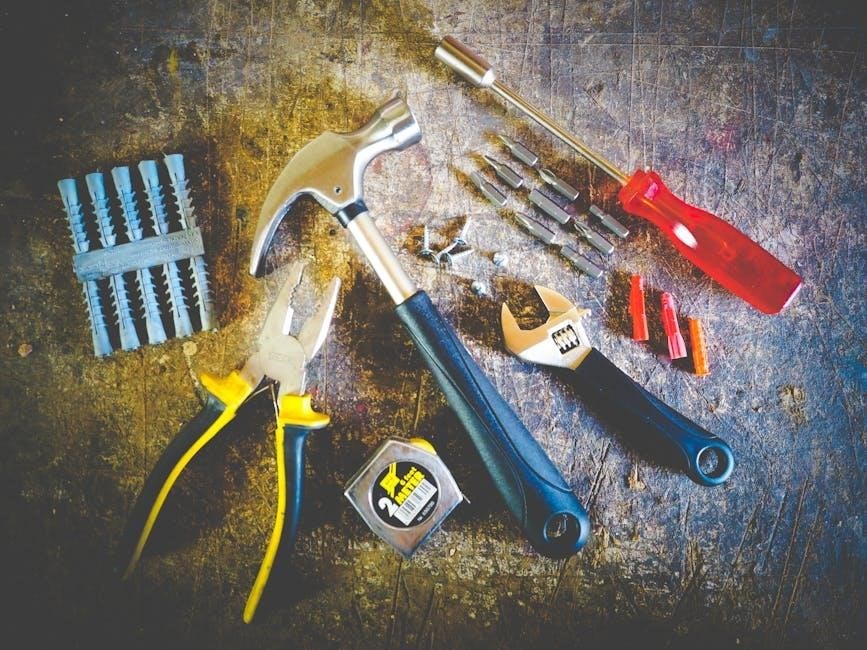
Precise valve guide installation is paramount for optimal engine performance and reliability. Incorrectly installed guides can lead to a cascade of problems, negating the benefits of replacement. Misalignment, even by a small degree, causes valve binding, uneven wear, and compromised sealing – ultimately reducing power and efficiency.
A dedicated tool, such as the 8mm valve guide installation tool (EMPI 00-5763-0 / ACC-C10-7015), ensures the guides are seated squarely and at the correct depth within the cylinder head. The tool’s pilot feature centers the guide, preventing tilting during hammering or pressing. This is especially critical for both air-cooled and water-cooled VW heads.
Skipping proper installation risks valve stem damage, oil leaks, and premature engine failure. Investing in a quality tool and following correct procedures guarantees a lasting and efficient repair, maximizing engine lifespan and performance.
Types of Valve Guide Installation Tools
Valve guide installation tools broadly fall into two categories: universal sets and application-specific designs. Universal tools offer versatility, accommodating a range of valve guide sizes and head types through interchangeable pilots and adaptors. These are ideal for mechanics working on diverse engine platforms.
Conversely, application-specific tools, like the EMPI 00-5763-0 / ACC-C10-7015 for 8mm VW valve guides, are engineered for a precise fit and optimal performance on a particular engine family. These tools often simplify the installation process and minimize the risk of errors.
The choice depends on your needs. If you frequently work on different engines, a universal set is a cost-effective solution. However, for dedicated work on a specific engine, such as classic VWs, a dedicated tool provides superior accuracy and ease of use, ensuring proper alignment during hammering or pressing.
Universal Valve Guide Installation Tools

Universal valve guide installation tools represent a versatile solution for mechanics tackling a variety of engine rebuilds. These sets typically include a selection of hardened steel pilots, bushings, and adaptors designed to accommodate different valve guide inner diameters and head configurations.
Their adaptability is key. By swapping out the appropriate pilot, a single universal tool can be used on both air-cooled and water-cooled cylinder heads, offering significant cost savings compared to purchasing individual application-specific tools. This makes them particularly appealing for those working on diverse projects.
However, achieving optimal results with universal tools requires careful selection of the correct pilot size and adaptor to ensure a snug, accurate fit. Proper alignment is crucial, and some sets may require additional accessories for specific head designs. They offer broad compatibility, but demand precision from the user.
Specific Application Tools (e.g., VW 8mm Tool)
Designed for focused precision, specific application valve guide installation tools cater to the unique requirements of particular engine families. A prime example is the tool specifically engineered for 8mm VW valve guides – like the EMPI 00-5763-0 (ACC-C10-7015). These tools eliminate guesswork by providing a perfectly matched pilot diameter.
This dedicated design ensures the valve guide is held securely in the correct location during installation, whether employing a hammer or press. The tool’s construction is optimized for VW heads, functioning effectively on both air-cooled and water-cooled variants utilizing 8mm valve guides.
While less versatile than universal sets, application-specific tools offer unparalleled accuracy and ease of use for the intended engine. They minimize the risk of misalignment or damage, making them ideal for mechanics frequently working on a single engine type, or those prioritizing a streamlined installation process.
Key Features to Look for in a Valve Guide Tool
When selecting a valve guide installation tool, several key features contribute to a successful and damage-free installation. Pilot size compatibility is paramount; the tool must offer pilots matching the valve guide’s outer diameter for proper alignment. Adaptability is also crucial – can it handle both air-cooled and water-cooled heads, if applicable to your projects?
Construction material impacts durability and longevity. Look for tools crafted from hardened steel to withstand repeated hammering or pressing forces. Ease of use is another factor; a well-designed tool will offer a secure grip and intuitive operation. Consider if the tool includes multiple bushings or adapters to accommodate various valve guide sizes.
Finally, assess the tool’s overall build quality and reputation. Reading reviews and seeking recommendations from experienced mechanics can help you identify a reliable and effective valve guide installation tool.
Pilot Sizes and Compatibility

Pilot sizes are critical for accurate valve guide installation, ensuring the guide seats squarely within the cylinder head. Incorrect pilot sizing can lead to misalignment, damaging both the guide and the head itself. A tool like the EMPI 00-5763-0 (ACC-C10-7015) is specifically designed for 8mm valve guides, meaning its pilot diameter is precisely matched for those applications.
Compatibility extends beyond just the guide’s size. The tool must be compatible with the valve guide bore in the cylinder head. Universal tools often include a range of pilots to accommodate different engine types and valve guide dimensions. When selecting a tool, verify that it includes a pilot size appropriate for your specific cylinder head and valve guide combination.
Always double-check the pilot diameter against the valve guide’s outer diameter before beginning installation to prevent issues.
Adaptability for Air-Cooled vs. Water-Cooled Heads
Valve guide installation can differ between air-cooled and water-cooled cylinder heads due to variations in head material and design. Air-cooled heads, often aluminum, require careful handling to avoid distortion during installation. Water-cooled heads, typically cast iron, can withstand slightly more force but still demand precision.
Fortunately, some tools offer versatility. The EMPI 00-5763-0 (ACC-C10-7015) is explicitly noted as working on both air-cooled and water-cooled VW heads utilizing 8mm valve size guides. This adaptability stems from the tool’s design, which accommodates the slight dimensional differences between the head types.
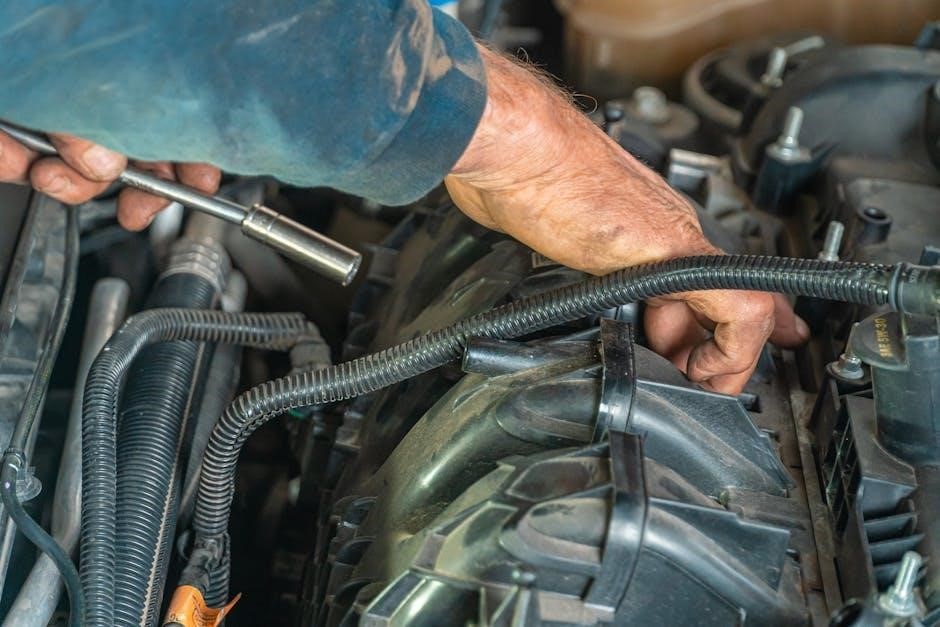
When choosing a tool, consider whether it’s specifically designed for both types or if adapters are needed. Using an incompatible tool or incorrect adapters can lead to improper guide seating and potential engine damage. Always confirm compatibility before proceeding with the installation.
Materials Used in Valve Guide Tool Construction
The durability and precision of a valve guide installation tool heavily rely on the materials used in its construction. High-quality steel is paramount for the tool’s body and pilot, ensuring it can withstand the forces involved in hammering or pressing valve guides into the cylinder head without bending or breaking.
The pilot itself, which centers the valve guide during installation, requires particularly precise machining and hardened steel to resist wear and maintain accurate alignment. Lower-quality materials can deform under pressure, leading to misaligned guides and compromised valve sealing.
While specific material details aren’t always readily available, a robust, solid feel is a good indicator of quality construction. Tools designed for professional use often feature hardened steel components for extended lifespan and reliability. Considering the forces involved, investing in a tool made from durable materials is crucial for a successful and lasting repair.
Preparing the Cylinder Head for Valve Guide Installation
Proper cylinder head preparation is critical before attempting valve guide installation, ensuring a smooth and accurate process. Begin by thoroughly cleaning the head, removing all traces of carbon buildup, old gasket material, and debris from the valve guide bores. This prevents interference during installation and ensures accurate measurements.
Inspect the valve guide bores for any damage, such as cracks or excessive wear. Address any imperfections before proceeding, as installing new guides into a damaged bore will not yield optimal results. Carefully remove any remnants of the old valve guides, ensuring the bore is clean and free of obstructions.
Accurate measurement of the bore is essential to confirm compatibility with the new valve guides and the chosen installation tool. A clean and properly prepared head is the foundation for a successful valve guide replacement, maximizing engine performance and longevity.
Valve Guide Removal Before Installation
Before installing new valve guides, the existing ones must be completely removed from the cylinder head. This process often requires specialized tools designed to push or pull the old guides out without damaging the head itself. Carefully assess the condition of the old guides to understand the potential challenges during removal.
Avoid forceful methods that could warp or crack the cylinder head. Gentle persuasion, combined with the appropriate tool, is key. Ensure the area around the valve guide is clean to prevent debris from hindering the removal process. Inspect the valve guide bore after removal for any remaining fragments or damage.
A clean bore is essential for accurate measurement and proper installation of the new guides. Thorough removal prevents interference and ensures a secure fit, contributing to optimal valve train performance and engine reliability.
Measuring Valve Guide Bore
After removing the old valve guides, accurately measuring the valve guide bore within the cylinder head is crucial. This step determines if the bore is within acceptable tolerances for a proper interference fit with the new guides. Utilize an inside micrometer or a precision bore gauge to obtain precise measurements at multiple points along the bore’s length.
Variations in bore diameter can indicate wear or damage, potentially requiring machining or sleeving before installing new guides. Compare your measurements to the manufacturer’s specifications for the specific cylinder head and valve guide size. A slightly undersized bore may require careful pressing or heating of the guides during installation.
Accurate measurement ensures a secure and aligned valve guide installation, preventing valve wobble and maintaining optimal sealing. Ignoring this step can lead to premature wear, valve failure, and reduced engine performance.
Installing New Valve Guides: Step-by-Step
Begin by lightly lubricating the outer diameter of the new valve guide with engine oil. Select the correct pilot size from your valve guide installation tool, ensuring a snug fit within the valve guide’s inner diameter. Position the cylinder head securely, either in a vise or on a stable work surface.
Carefully align the valve guide installation tool with the valve guide bore, ensuring the pilot is centered. Using either a hammer or a press (detailed in subsequent sections), gently drive the valve guide into the cylinder head. Maintain consistent pressure and avoid excessive force, which could damage the head or the guide.
Periodically check the guide’s depth using a depth gauge or ruler, comparing it to the manufacturer’s specifications. Continue the installation until the guide is fully seated and flush with the head surface. Avoid tilting or misaligning the guide during the process.
Using a Hammer with a Valve Guide Tool
When employing a hammer, utilize a soft-faced mallet – brass or nylon are ideal – to prevent damage to the valve guide installation tool or the cylinder head. Position the tool securely over the valve guide, ensuring the pilot remains centered within the guide’s bore.

Apply gentle, controlled taps with the mallet, gradually driving the guide into the head. Avoid forceful blows, as this can lead to misalignment or cracking of the head. Rotate the tool slightly between taps to ensure even seating. Regularly check the guide’s depth to monitor progress.
The EMPI 00-5763-0 tool is specifically designed for hammering or pressing. Maintain a consistent rhythm and pressure throughout the installation. Inspect the tool frequently for any signs of wear or damage. Proceed slowly and deliberately for optimal results.
Using a Press with a Valve Guide Tool
Employing a press offers greater control and even pressure during valve guide installation. Ensure the cylinder head is securely mounted on the press bed, and the valve guide tool is properly aligned with the guide bore. Slowly apply pressure using the press ram, monitoring the guide’s descent into the head.
Avoid excessive force; a steady, consistent pressure is crucial to prevent damage. The EMPI 00-5763-0 tool is suitable for press installation, providing a stable platform. Periodically check the guide’s alignment and depth to ensure proper seating; Use appropriate adapters to protect the cylinder head surface.
Maintain a watchful eye throughout the process, stopping immediately if any resistance or unusual sounds are detected. A press provides a more precise and controlled installation compared to hammering. Proper setup and careful operation are essential for successful results.
Checking Valve Guide Alignment After Installation

Post-installation alignment verification is paramount for optimal valve train function. Utilize a valve and carefully insert it into the newly installed guide, assessing for binding or excessive play. Smooth, consistent movement indicates proper alignment; any resistance suggests a misalignment issue.
Employ a dial indicator to measure guide-to-valve clearance at multiple points along the guide’s length. Consistent readings across the guide confirm accurate installation. Address any deviations immediately, potentially requiring re-installation or corrective measures. Proper alignment minimizes valve wear and ensures efficient sealing.
A misaligned guide can lead to premature valve failure and reduced engine performance. Thorough inspection using appropriate tools is a critical step in the rebuild process. Don’t overlook this crucial check, as it directly impacts engine longevity and reliability.
Potential Problems and Troubleshooting
Difficult guide insertion often stems from a valve guide bore that’s too small or debris within the head. Carefully re-measure the bore and ensure it matches the guide’s outer diameter. Clean the bore thoroughly before attempting re-installation. Excessive force during installation can damage the head or the guide itself – avoid this at all costs.
Guide misalignment, detected during the alignment check, may necessitate removal and re-installation. Inspect the tool for damage or wear that could contribute to improper alignment. Ensure the correct pilot size is being used for the specific cylinder head.
If a guide becomes stuck during removal, gentle heat can aid extraction. Avoid aggressive methods that could damage the head. Always prioritize precision and patience throughout the entire process to prevent costly mistakes and ensure a successful valve guide replacement.