
Laser hair removal is a popular cosmetic treatment offering a long-term solution to unwanted hair. It’s gaining traction due to its effectiveness, precision, and speed, providing freedom from traditional methods.
This method utilizes an amplified beam of light to target hair follicles, offering a significant reduction after multiple sessions, and is suitable for various skin types.
What is Laser Hair Removal?
Laser hair removal is a medical procedure that uses concentrated beams of light – lasers – to remove unwanted hair. Unlike temporary hair removal methods like shaving and waxing, laser hair removal offers a long-lasting reduction in hair growth. The process targets the hair follicle, specifically the melanin, which is the pigment responsible for hair color.
During a session, the laser emits a light that is absorbed by the melanin in the hair, damaging the follicle and inhibiting future hair growth. It’s a precise method, capable of targeting dark hairs while leaving the surrounding skin undamaged. While often described as a quick process, achieving optimal results typically requires multiple sessions.
Effectiveness is notably high, particularly for individuals with a significant contrast between their hair and skin color. It’s a departure from traditional methods, eliminating the discomfort of blades or tweezers and offering a more permanent solution to unwanted hair.
Why is Laser Hair Removal Gaining Popularity?
Laser hair removal’s increasing popularity stems from its compelling advantages over traditional methods. The effectiveness of significantly reducing hair growth after a series of treatments is a major draw, freeing individuals from the constant cycle of shaving, waxing, or tweezing. Its precision allows for targeted treatment, minimizing the risk of damaging surrounding skin.
Furthermore, the speed at which large areas can be treated is a significant benefit, saving valuable time compared to more laborious techniques. This comprehensive approach is effective on most skin types, especially those with a strong contrast between hair and skin tone.
The desire for long-term freedom from hair removal hassles is a key driver. It’s a game-changer, offering a lasting solution and reducing the “quiet fatigue” associated with repetitive hair removal routines, ultimately improving skin comfort and confidence.
Understanding the Technology
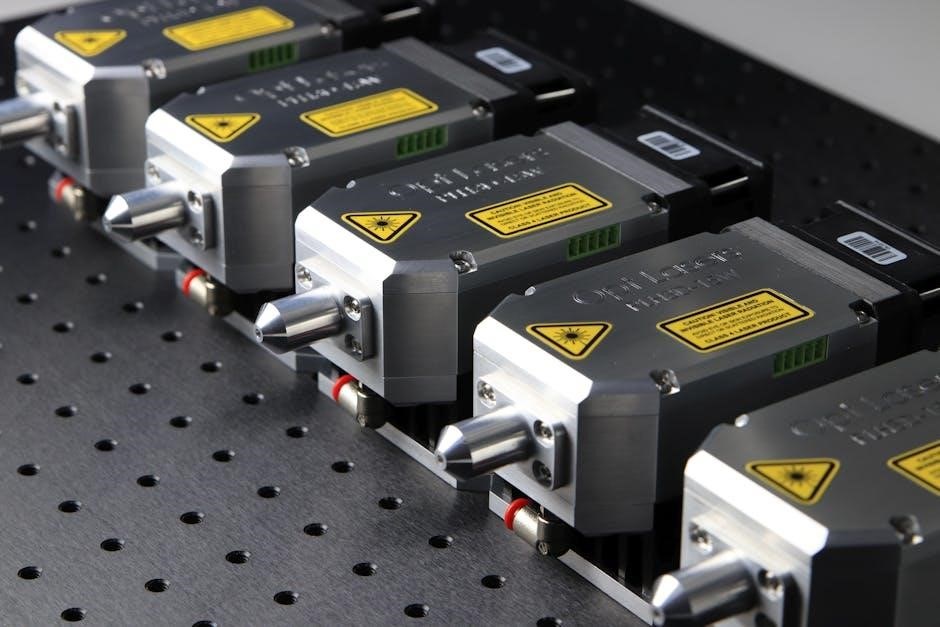
Laser hair removal employs an amplified beam of light targeting hair follicles. Different laser types – Alexandrite, Diode, and Nd:YAG – offer varying wavelengths for diverse skin and hair types.
How Does Laser Hair Removal Work?
Laser hair removal fundamentally works by targeting the melanin – the pigment – in hair follicles. The laser emits a concentrated beam of light, which is then absorbed by this melanin. This absorption of light energy converts into heat, effectively damaging the hair follicle and inhibiting future hair growth.
It’s crucial to understand that the process isn’t instantaneous. Hair grows in cycles, and lasers are most effective during the active growth phase (anagen). This is why multiple sessions are necessary to catch hair follicles in this phase and achieve significant, long-lasting reduction.
The laser’s precision allows it to target the hair follicle without causing substantial damage to the surrounding skin. However, some heat transfer is inevitable, which is why cooling mechanisms are integrated into most laser hair removal devices. The targeted heat disrupts the follicle’s ability to regrow hair, leading to finer, sparser hair over time, and potentially permanent hair reduction.
Different skin types and hair colors respond differently to various laser wavelengths, influencing the choice of laser technology used.
Types of Lasers Used (e.g., Alexandrite, Diode, Nd:YAG)
Several laser types are employed in hair removal, each with unique characteristics suited for different skin tones and hair colors. Alexandrite lasers are known for their rapid treatment speed and are highly effective on lighter skin tones with dark, coarse hair. However, they pose a higher risk of pigmentation changes for darker skin.
Diode lasers offer versatility and are generally safe for a wider range of skin types, including darker complexions. They penetrate deeper into the skin, making them suitable for thicker, more stubborn hair. Nd:YAG lasers have the longest wavelength, allowing for the deepest penetration and making them the safest option for individuals with very dark skin.
The choice of laser depends on a careful assessment of the patient’s skin type, hair color, and desired treatment area. Practitioners often utilize a combination of lasers to optimize results and minimize potential side effects, ensuring effective and safe hair reduction.
Before Your First Session: Preparation
Preparation is key! Selecting a qualified practitioner and considering your skin and hair type are vital. Avoid sun exposure and certain medications beforehand for optimal results.
Choosing a Qualified Practitioner
Selecting the right practitioner is paramount for a safe and effective laser hair removal experience. Don’t solely focus on cost; prioritize expertise and credentials. Look for a board-certified dermatologist or a licensed and experienced laser technician working under a physician’s supervision.
Verify their training specifically in laser hair removal techniques and the types of lasers they operate. A thorough consultation should be offered, where they assess your skin type, hair color, and medical history to determine suitability and create a personalized treatment plan.
Check for before-and-after photos of previous clients to gauge their results and experience. Read online reviews and ask for referrals from trusted sources. A reputable clinic will prioritize patient safety, maintain strict hygiene standards, and be transparent about potential risks and expected outcomes. Don’t hesitate to ask questions about their protocols and safety measures – a knowledgeable practitioner will happily address your concerns.
Ensure the clinic uses FDA-approved lasers and adheres to all safety regulations.
Skin and Hair Type Considerations
Laser hair removal effectiveness hinges on a contrast between skin and hair color. Generally, individuals with fair skin and dark, coarse hair achieve the best results, as the laser targets the melanin in the hair follicle. However, advancements in laser technology now allow for successful treatment on a wider range of skin types.
Those with darker skin tones require practitioners with expertise in using lasers specifically designed for their skin type (like Nd:YAG) to minimize the risk of pigmentation changes. Grey, white, or blonde hair presents a challenge, as it contains less melanin, making it harder for the laser to target effectively.
A thorough consultation is crucial to assess your individual skin and hair characteristics. The practitioner will evaluate your Fitzpatrick skin type and hair color to determine the most appropriate laser and settings for optimal and safe results. Realistic expectations are key; multiple sessions are always necessary, and complete hair removal isn’t always achievable.
Avoiding Sun Exposure Before Treatment
Protecting your skin before laser hair removal is paramount for both safety and efficacy. Sun exposure significantly increases the risk of complications, including burns, blistering, and post-inflammatory hyperpigmentation. Melanin, activated by the sun, makes it harder for the laser to target hair follicles specifically, potentially damaging surrounding skin.
Avoid direct sun exposure, tanning beds, and self-tanners for at least four to six weeks prior to your first session, and continue diligently between treatments. When outdoor exposure is unavoidable, use a broad-spectrum sunscreen with an SPF of 30 or higher, and wear protective clothing.
Inform your practitioner of any recent sun exposure during your consultation. They may recommend postponing your appointment to ensure your skin has returned to its normal state. Maintaining pale skin optimizes laser absorption by the hair, leading to more effective and safer results.
Medications to Avoid
Certain medications can significantly impact your laser hair removal treatment, potentially increasing sensitivity and the risk of adverse reactions. It’s crucial to disclose your complete medical history and current medication list to your practitioner during the initial consultation.
Photosensitizing drugs, such as certain antibiotics (tetracycline, doxycycline), antihistamines, and some acne medications (retinoids like Accutane), can make your skin overly sensitive to light, increasing the likelihood of burns or pigmentation changes. Blood thinners, including aspirin and ibuprofen, may increase bruising.
Your practitioner may advise you to temporarily discontinue certain medications several weeks before treatment. Never stop taking prescribed medication without consulting your doctor. Open communication with both your dermatologist and prescribing physician is vital for a safe and effective laser hair removal experience.
The Laser Hair Removal Procedure
A typical session begins with a consultation and patch test, followed by hair trimming. Expect a series of light pulses applied to the skin, with cooling mechanisms for comfort.
The laser targets hair follicles, and multiple sessions are needed for optimal, long-lasting results.
Initial Consultation and Patch Test
The first step in the laser hair removal process is a comprehensive initial consultation with a qualified practitioner. This isn’t merely a formality; it’s a crucial opportunity to discuss your medical history, skin type, hair color, and expectations. Be prepared to openly share any medications you’re taking, as some can increase sensitivity to the laser.
A thorough assessment of your skin and hair will determine the most appropriate laser type and settings for your individual needs. The practitioner will explain the procedure in detail, outlining potential risks and benefits, and answering any questions you may have.
Following the consultation, a patch test is typically performed. This involves treating a small area of skin with the laser to assess your skin’s reaction and ensure you don’t experience any adverse effects. This test allows the practitioner to fine-tune the laser settings for optimal safety and effectiveness. Waiting 24-48 hours to observe the results of the patch test is standard practice before proceeding with a full treatment session.
Hair Trimming Before Treatment
Prior to your laser hair removal session, it’s essential to trim the hair in the treatment area. This doesn’t mean shaving the area completely; instead, the hair should be trimmed to just above the skin’s surface. This precise length allows the laser to effectively target the hair follicle without being scattered by longer strands.
Why is trimming important? Longer hair can act as a conductor for heat, potentially increasing discomfort during the procedure and raising the risk of superficial burns. Trimming ensures the laser energy is focused directly on the melanin within the hair follicle, maximizing its effectiveness.
Most clinics will perform this trimming for you if you haven’t done so beforehand, but it’s often recommended to do it yourself a day or two before your appointment. Avoid waxing or plucking in the weeks leading up to treatment, as these methods remove the hair root, hindering the laser’s ability to target it effectively.
What to Expect During a Session
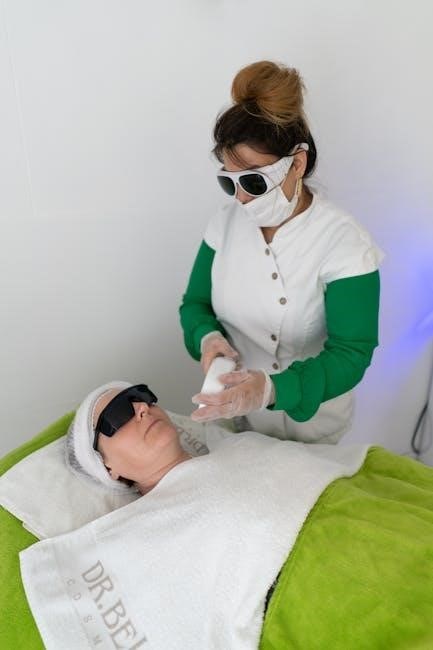
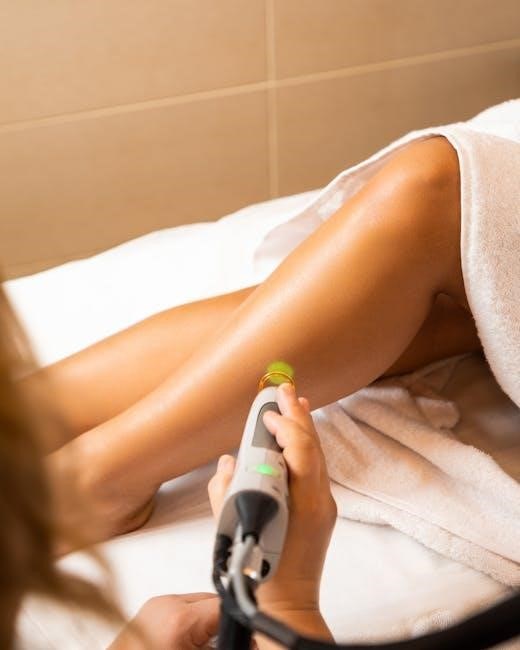
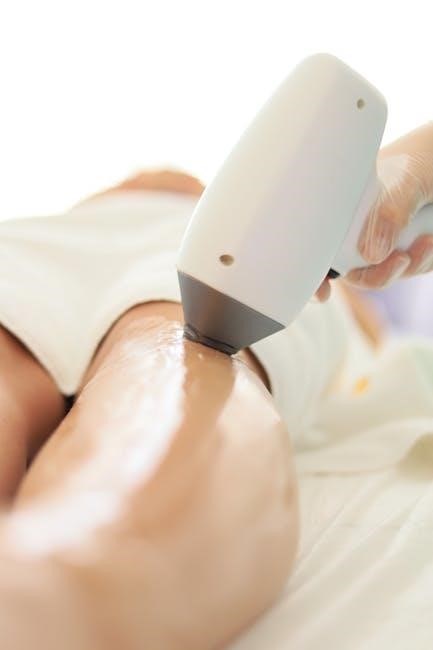
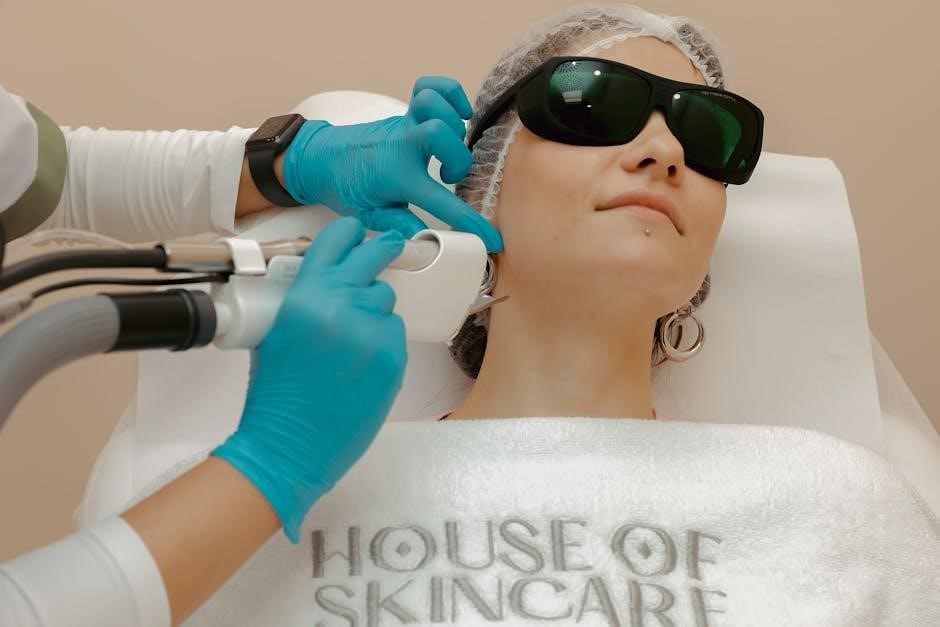
During a laser hair removal session, you’ll be positioned comfortably, and protective eyewear will be provided to shield your eyes from the laser light. A cool gel is typically applied to the treatment area to help the laser glide smoothly and protect the skin’s surface.
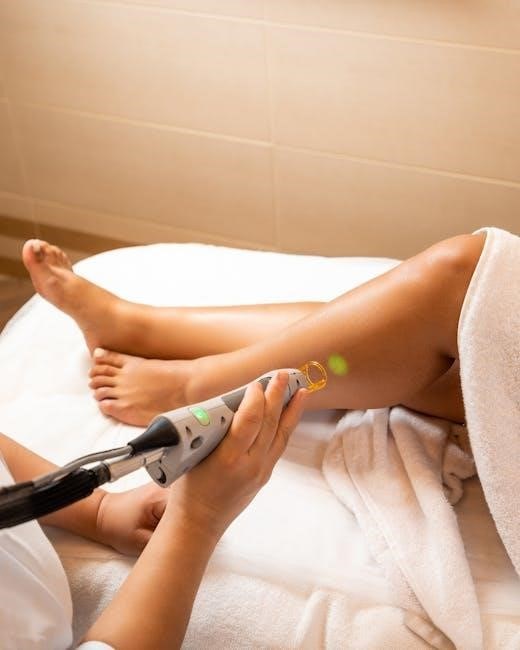
The technician will then begin systematically moving the laser handpiece over the skin. You’ll likely feel a sensation similar to a rubber band snapping against your skin. This sensation varies depending on your pain tolerance and the area being treated.
Each pulse of the laser targets a specific area, and the handpiece is moved incrementally to cover the entire treatment zone. Sessions typically last from a few minutes to an hour, depending on the size of the area. Throughout the process, the technician will monitor your comfort and adjust settings as needed.
Cooling Mechanisms and Pain Management
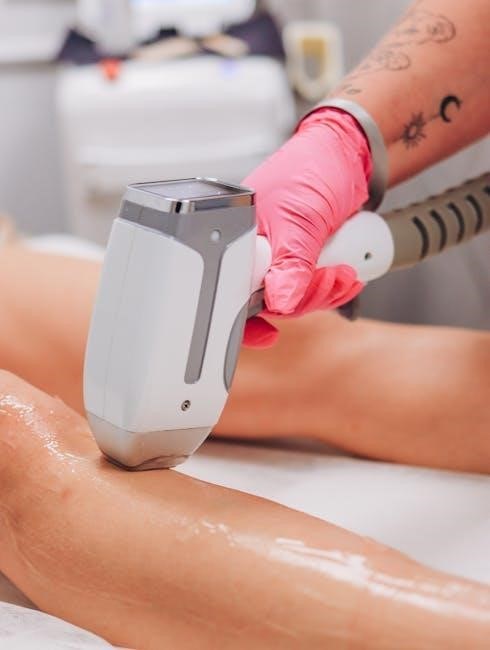
Managing discomfort is a key aspect of the laser hair removal experience. Most modern laser devices incorporate built-in cooling mechanisms to protect the skin and minimize pain. These often include chilled tips on the handpiece, or the simultaneous emission of cool air during the laser pulses.
The application of a cool gel prior to treatment also serves as a cooling agent and helps facilitate laser energy transmission. Some clinics offer additional pain management options, such as topical numbing creams applied 20-30 minutes before the session.
The sensation is often described as a rubber band snap, but cooling technologies significantly reduce this feeling. Technicians adjust laser settings based on individual skin sensitivity and tolerance levels, ensuring a more comfortable procedure. Post-treatment, soothing lotions or cool compresses can further alleviate any residual discomfort.
Post-Treatment Care
Following treatment, expect some redness and swelling; Apply aloe vera or cool compresses to soothe the skin. Avoid sun exposure and wear sunscreen diligently for optimal healing.
Gentle skincare is crucial for minimizing irritation and maximizing results after each laser hair removal session.
Immediate Aftercare Instructions
Immediately following your laser hair removal session, you’ll likely experience some mild redness and swelling, similar to a slight sunburn. This is a normal reaction and indicates the treatment is working to target the hair follicles. It’s crucial to follow specific aftercare instructions to minimize discomfort and optimize healing.
Avoid hot showers, baths, and strenuous exercise for at least 24-48 hours, as heat can exacerbate inflammation. Do not apply makeup, lotions, or other skincare products to the treated area for several hours, allowing the skin to breathe. Wearing loose-fitting clothing will help prevent friction and irritation.
Gentle cleansing with a mild, fragrance-free soap is permitted after a few hours. Protect the treated skin from direct sunlight exposure at all costs, even on cloudy days, and always apply a broad-spectrum sunscreen with a high SPF. Remember, proper aftercare is vital for achieving the best possible results and preventing complications.
Soothing the Skin (Aloe Vera, Cool Compresses)
Post-laser hair removal, your skin may feel sensitive and slightly irritated. Thankfully, several methods can provide soothing relief and promote faster healing. Applying a pure aloe vera gel is highly recommended, as it possesses natural anti-inflammatory properties that calm redness and promote skin regeneration. Ensure the aloe vera is fragrance-free to avoid further irritation.
Cool compresses are also incredibly effective. Gently apply a clean, damp cloth to the treated area for 10-15 minutes at a time, several times a day. This helps to reduce swelling and discomfort. Avoid ice directly on the skin, as it can cause damage.
Hydrating the skin is key; use a gentle, fragrance-free moisturizer. Avoid harsh chemicals, exfoliants, or abrasive products during this time. Consistent, gentle care will significantly improve your comfort and recovery process, ensuring optimal results from your laser hair removal treatment.
Avoiding Sun Exposure After Treatment
Protecting your skin from the sun is absolutely crucial following laser hair removal. Your skin will be exceptionally sensitive to UV radiation for several weeks post-treatment, increasing the risk of hyperpigmentation, blistering, and hindering the healing process. Strict sun avoidance is paramount.
Whenever you are outdoors, even on cloudy days, apply a broad-spectrum sunscreen with an SPF of 30 or higher to all treated areas. Reapply every two hours, or more frequently if swimming or sweating. Wear protective clothing, such as long sleeves, pants, and a wide-brimmed hat, to minimize sun exposure.
Consider avoiding direct sun exposure altogether during peak hours (10 AM to 4 PM). Consistent sun protection is not just about immediate comfort; it’s vital for maintaining the results of your laser hair removal and preventing long-term skin damage.
Multiple Sessions and Maintenance
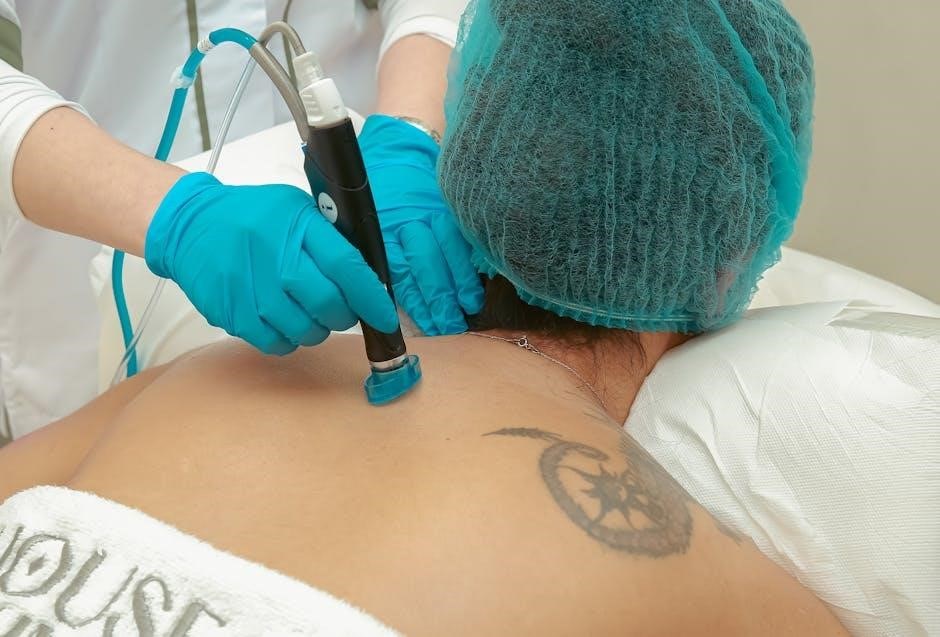
Multiple sessions are necessary because laser hair removal targets hair during its growth cycle. Scheduling sessions at specific intervals maximizes effectiveness, and maintenance treatments prolong results.
Why Multiple Sessions are Necessary
Laser hair removal doesn’t eliminate all hair follicles simultaneously. Hair grows in cycles – anagen (active growth), catagen (transition), and telogen (resting). The laser is most effective on hair in the anagen phase, as the pigment in the hair follicle absorbs the light energy.
Because hairs are in different phases at any given time, a series of treatments is crucial. Initial sessions target hairs actively growing, while subsequent sessions catch those entering the anagen phase. This staggered approach ensures comprehensive hair reduction.
Typically, 6-8 sessions are recommended for optimal results, spaced several weeks apart. This allows for continued follicle damage and minimizes regrowth. Ignoring the need for multiple sessions can lead to incomplete hair removal and faster regrowth. Consistent treatment is key to achieving long-lasting smoothness and minimizing the need for frequent touch-ups.
Session Intervals and Scheduling
Scheduling laser hair removal sessions strategically is vital for optimal results. Initial sessions are typically spaced 4-8 weeks apart, allowing the skin to heal and new hair to enter the active growth phase. This interval targets follicles effectively as they become susceptible to the laser’s energy.
As treatment progresses, the intervals may lengthen to 8-12 weeks. This adjustment accounts for reduced hair density and slower regrowth. Your practitioner will personalize the schedule based on your skin type, hair color, and treatment area.
Consistency is key; adhering to the recommended schedule maximizes hair reduction. Avoid scheduling sessions around significant sun exposure or events that may irritate the skin. Proper planning ensures a comfortable and effective treatment journey, leading to long-lasting smoothness and minimized regrowth over time.
Maintenance Treatments
Maintenance laser hair removal sessions are crucial for prolonging the benefits of your initial treatment course. While laser hair removal significantly reduces hair growth, some follicles may remain dormant and reactivate over time, typically 6-12 months post-treatment.
These touch-up sessions, usually scheduled annually or bi-annually, target any new growth and maintain long-term smoothness. The frequency depends on individual factors like hormonal changes, skin sensitivity, and hair density.
Maintenance treatments are generally quicker and less expensive than the initial series. They effectively address any regrowth, preventing the return of unwanted hair. Regular upkeep ensures you continue enjoying the freedom from frequent shaving or waxing, preserving the investment in your smoother, hair-free skin for years to come.
Potential Side Effects and Risks
Common side effects include temporary redness and swelling, typically subsiding within a few hours. Rarely, blistering or pigmentation changes may occur, emphasizing the need for a qualified practitioner.
Common Side Effects (Redness, Swelling)
Redness and swelling are the most frequently reported side effects immediately following a laser hair removal session. These reactions are generally mild and indicate that the treatment has effectively targeted the hair follicles. The skin may appear flushed, similar to a mild sunburn, and a slight swelling around the treated hair follicles is common.
This temporary inflammation is a normal part of the healing process and typically resolves within a few hours to a couple of days. Applying a cool compress or aloe vera gel can help soothe the skin and minimize discomfort. It’s crucial to avoid harsh products or excessive sun exposure during this period to allow the skin to recover.
While generally not concerning, persistent or severe redness or swelling should be reported to your practitioner. These symptoms could indicate an unusual reaction or potential complication requiring attention. Proper aftercare, as instructed by your provider, is essential for managing these common, temporary effects.
Rare Side Effects (Blistering, Pigmentation Changes)
While laser hair removal is generally safe, rare side effects can occur. Blistering is an uncommon complication, typically resulting from excessive heat or improper laser settings. It’s crucial to immediately report any blister formation to your practitioner, as it requires prompt medical attention to prevent infection and scarring.
Pigmentation changes, such as hyperpigmentation (darkening of the skin) or hypopigmentation (lightening of the skin), are also infrequent but possible, particularly in individuals with darker skin tones. These changes are usually temporary, but can, in some cases, be prolonged.
Strict adherence to pre- and post-treatment instructions, including diligent sun protection, significantly minimizes the risk of these complications. Choosing a highly qualified and experienced practitioner is paramount, as their expertise ensures appropriate laser parameters are used for your skin type. Any unusual skin reactions should be addressed by a medical professional immediately.